
Cisco Catalyst switches are some of the most powerful and reliable networking hardware devices on the market. Designed for high-performance enterprise and business environments, these switches serve as the backbone of wired networks by intelligently directing data across devices. Think of them like the traffic controllers of your network: they decide where each packet of data should go, and they do it quickly, securely, and efficiently.
Built on decades of innovation, Catalyst switches have become synonymous with stability, speed, and security. They support Layer 2 and Layer 3 switching, which means they handle basic data packet forwarding and advanced routing decisions. Whether you’re setting up a small office network or managing the infrastructure of a multi-site global enterprise, Cisco Catalyst switches offer a range of models and features tailored to your specific needs.

But what makes them stand out is not just performance—it’s the deep integration with Cisco’s ecosystem, including its network management software, security protocols, and automation capabilities. They are engineered for longevity and adaptability, meaning they continue to evolve as your network grows.
Why Cisco Leads in Networking Solutions
Cisco isn’t just a name—it’s the undisputed leader in networking technology. With over three decades of dominance, Cisco has built a reputation for delivering innovative, secure, and scalable networking solutions. Its products, including the Catalyst line, are widely adopted by Fortune 500 companies, educational institutions, government agencies, and small businesses alike.
What makes Cisco unique is its end-to-end networking approach. From switches and routers to cloud-managed infrastructure and cybersecurity solutions, Cisco covers every angle of modern networking. The Catalyst switches play a pivotal role in this framework, acting as the core transport for data within local area networks (LANs) and wide area networks (WANs).
Beyond the hardware, Cisco backs its products with enterprise-grade support, extensive documentation, regular firmware updates, and an ecosystem of certified professionals and partners. The commitment to R&D and continuous improvement ensures that every switch not only meets current networking demands but anticipates future needs as well.
Types of Cisco Catalyst Switches
Cisco Catalyst 1000 Series
The Cisco Catalyst 1000 Series is perfect for small businesses and branch offices. These compact, fixed-configuration switches are easy to deploy and manage, offering essential Layer 2 features for streamlined network performance.
With a fanless design and energy-efficient operation, they’re great for quiet office environments. Despite their simplicity, they still offer VLAN segmentation, access control lists (ACLs), and basic network monitoring capabilities. The 1000 series supports Power over Ethernet (PoE), which is ideal for connecting IP phones, wireless access points, and cameras—without needing separate power lines.
In essence, the Catalyst 1000 is for businesses that want reliable networking without the complexity. It’s plug-and-play with minimal configuration needed, making it a top choice for small IT teams.
Cisco Catalyst 3000 Series
The Catalyst 3000 Series steps things up with more advanced features and scalability. This mid-range line is tailored for growing businesses and enterprise branch offices that need more control, performance, and flexibility.
It includes support for both Layer 2 and Layer 3 operations, making routing and switching seamless. Key features include dynamic routing protocols, enhanced security options, and support for software-defined networking (SDN) through Cisco DNA Center.

These switches are built for environments that demand high availability and redundancy. With features like stacking, hot-swappable components, and advanced diagnostics, the 3000 series ensures network uptime even during maintenance or unexpected failures.
If you’re scaling up and need more granular control over your traffic with automation-ready infrastructure, the 3000 Series offers that balance between performance and affordability.
Cisco Catalyst 9000 Series
Now we’re talking enterprise-grade. The Catalyst 9000 Series is the flagship line designed for the modern digital enterprise. It’s the future of switching, optimized for cloud-scale networking, IoT, security, and mobile-first environments.
The 9000 series includes several models—9200, 9300, 9400, 9500, and 9600—all designed to handle massive amounts of data, with integrated security and programmability at their core. These switches run on Cisco’s IOS XE software, offering modularity, automation, and support for Cisco DNA Center and SD-Access.
With full-stack visibility, threat detection, and AI-powered insights, the Catalyst 9000 is ideal for organizations that need a resilient, secure, and intelligent network. These switches are built to grow with you, supporting high-density environments, virtual stacking, and even on-device analytics.
Comparison of Different Series
| Feature / Series | Catalyst 1000 | Catalyst 3000 | Catalyst 9000 |
|---|---|---|---|
| Target Audience | Small Businesses | Mid-sized Enterprises | Large Enterprises |
| Layer Support | Layer 2 Only | Layer 2 and 3 | Layer 2, 3 + SD-Access |
| Management | Web UI/CLI | Cisco DNA Capable | Fully Cisco DNA/AI |
| Power over Ethernet (PoE) | Yes | Yes | Yes |
| Stackable | No | Yes | Yes |
| Automation Ready | Limited | Partial | Full |
| Security Features | Basic | Moderate | Advanced (TrustSec, ETA) |
Each series serves a unique purpose depending on network size, complexity, and growth plans. Understanding these differences helps in choosing the right switch for your environment without over- or under-investing.
TOP 3 Cisco Catalyst
🔷 1. Cisco Catalyst 1200-8T-D Smart Switch
The Cisco Catalyst 1200-8T-D is part of Cisco’s 1200 Series Smart Switches, designed for small businesses that need reliable, energy-efficient, and secure connectivity in a compact desktop form factor. With 8 Gigabit Ethernet ports, an external power supply, and a limited lifetime warranty, it offers a balance between affordability and performance for growing networks.

✅ Pros
-
Plug-and-play simplicity: Easy to set up and manage with minimal IT expertise required.
-
Compact desktop design: Ideal for small office environments with limited space.
-
Gigabit speed on all ports: Delivers fast and reliable performance for file sharing, VoIP, and video.
-
Energy-efficient: Supports Energy Efficient Ethernet (IEEE 802.3az), helping reduce operational costs.
-
Enhanced security: Offers features like 802.1Q VLANs, port security, and DoS protection.
-
Web-based GUI: Simple interface for configuration and monitoring, suitable for non-technical users.
-
External power supply: Makes replacement easier in case of power issues.
-
Limited lifetime protection: Includes hardware replacement and technical support for peace of mind.
❌ Cons
-
No PoE support: Cannot power IP phones or cameras directly via Ethernet.
-
Limited Layer 3 features: Basic smart switch; no advanced routing protocols like OSPF or BGP.
-
No stacking capability: Cannot be combined with other switches for scalability or redundancy.
-
Web GUI only: Lacks advanced CLI or Cisco DNA Center integration found in higher-end models.
-
External power supply unit (PSU): Adds clutter and may be less durable than internal options.
 🔚 Conclusion
The Cisco Catalyst 1200-8T-D is a great choice for small offices, startups, or home labs that require reliable Gigabit connectivity without complex configuration. It’s affordable, compact, and backed by Cisco’s trusted warranty—but it’s not designed for enterprise-level scalability or advanced network features.
🔷 2. Cisco Catalyst 1200-48P-4X Smart Switch
The Cisco Catalyst 1200-48P-4X is a 48-port Gigabit Ethernet smart switch with Power over Ethernet (PoE) support and 4 x 10-Gigabit SFP+ uplink ports. It is designed for growing businesses that need reliable, high-performance switching for IP phones, wireless access points, and other PoE-enabled devices. As part of the 1200 Series, it offers essential Layer 2+ features, ease of use, and strong security—all backed by limited lifetime protection.

✅ Pros
-
48 Gigabit PoE ports: Provides power and data to devices such as IP phones, cameras, and wireless APs—ideal for office and security deployments.
-
4 x 10G SFP+ uplinks: Ensures high-speed connectivity to core networks or servers, reducing bottlenecks.
-
Smart switch simplicity: Easy-to-use web interface for configuration and management—no need for CLI expertise.
-
Advanced security: Includes access control lists (ACLs), 802.1X authentication, VLAN segmentation, and DoS protection.
-
Compact rack-mountable design: Saves space and integrates smoothly into network racks.
-
Energy-efficient operation: Supports IEEE 802.3az (Energy Efficient Ethernet) for reduced power consumption.
-
Limited Lifetime Protection: Includes next-business-day hardware replacement and basic technical support.
❌ Cons
-
Limited Layer 3 features: No support for dynamic routing protocols like OSPF or BGP; only static routing and Layer 2+.
-
No stacking support: Cannot be stacked for redundancy or simplified management at scale.
-
Web GUI only: Lacks full CLI access or integration with Cisco DNA Center for advanced automation and monitoring.
-
PoE budget may be limited: Depending on total power budget, it might not support all 48 ports at full PoE load simultaneously.
-
Not ideal for complex enterprise networks: Better suited for small to medium-sized businesses with basic networking needs.
🔚 Conclusion
The Cisco Catalyst 1200-48P-4X is a powerful and reliable smart switch for businesses that need a high port count, PoE support, and 10G uplinks at a reasonable price. It’s perfect for offices, schools, retail environments, or surveillance networks looking for dependable performance without the complexity of enterprise-level switches. However, businesses requiring advanced Layer 3 features or stackable scalability may want to explore the higher-end Catalyst 9200 or 9300 series.
🔷 3. Cisco Catalyst 1300-24XTS Managed Switch
The Cisco Catalyst 1300-24XTS is a high-performance Layer 3 managed switch equipped with 12 10GBASE-T copper ports and 12 10G SFP+ fiber ports, making it an ideal solution for businesses requiring fast, flexible, and scalable network infrastructure. Designed for core, aggregation, or high-demand access layers, this switch supports advanced management features, enhanced security, and limited lifetime protection—perfect for small to medium-sized enterprises or data-heavy environments.

✅ Pros
-
Dual 10G connectivity: Offers both 10G copper and 10G SFP+ ports for maximum flexibility in network design (servers, storage, or fiber uplinks).
-
Layer 3 support: Includes static routing and essential Layer 3 features for traffic segmentation and efficient routing.
-
Advanced management: Full web GUI and CLI access for network professionals; SNMP support for monitoring.
-
High performance: Ideal for bandwidth-intensive applications like virtualization, IP surveillance, or high-speed file transfers.
-
Secure and reliable: Features VLANs, 802.1X, port security, and DoS protection.
-
Energy-efficient: Supports Energy Efficient Ethernet (EEE) to reduce operational costs.
-
Limited Lifetime Protection: Includes hardware replacement and technical support from Cisco.
❌ Cons
-
No PoE support: Cannot power devices like IP phones or wireless APs; requires separate power injectors or PoE switches.
-
No stacking capability: Lacks StackWise or similar features for hardware-based scalability or redundancy.
-
Limited dynamic routing: Does not support advanced Layer 3 protocols such as OSPF or BGP—only static routes.
-
Targeted at professionals: While it’s powerful, it’s best suited for users with networking experience; may be complex for non-technical users.
-
Higher price point: The 10G infrastructure and managed features come at a premium cost, not ideal for budget-limited small networks.
🔚 Conclusion
The Cisco Catalyst 1300-24XTS is a robust and versatile 10G managed switch tailored for organizations that need high-speed, fiber/copper hybrid connectivity and enterprise-grade control without moving into the complexity of the Catalyst 9000 series. It’s a strong choice for growing companies, tech-intensive offices, or network backbones where speed and flexibility are critical—but not suitable for deployments requiring PoE or dynamic Layer 3 routing.
Key Features of Cisco Catalyst Switches
Advanced Security Capabilities
Security is non-negotiable in today’s networking landscape. Cisco Catalyst switches come packed with enterprise-grade security features that protect your infrastructure at every layer. From basic access control to sophisticated threat detection, these switches offer comprehensive protection.
At the heart of the Catalyst series is Cisco TrustSec, a security architecture that classifies and segments traffic using identity-based policies. This ensures that only authorized users and devices can access sensitive parts of your network. You also get features like 802.1X authentication, MACsec encryption for data confidentiality, and IP Source Guard to prevent spoofing attacks.
But it doesn’t stop there. With integration into Cisco Identity Services Engine (ISE), network admins can dynamically control access policies based on user roles, device types, and threat posture. The Catalyst 9000 series, in particular, includes Encrypted Traffic Analytics (ETA), which uses machine learning to detect malware in encrypted traffic—without decrypting it.
This proactive approach to network security not only reduces the risk of breaches but also simplifies compliance with data protection regulations like GDPR and HIPAA. Simply put, with Cisco Catalyst, you’re building a fortress around your data.
High Performance and Scalability
Speed and scalability are essential, especially for organizations with growing data demands. Cisco Catalyst switches deliver blazing-fast data transfer rates and are engineered to handle high-density environments effortlessly.
The switches support Gigabit and 10-Gigabit Ethernet out of the box, with select models offering 25G, 40G, and even 100G uplinks. Whether you’re streaming large volumes of data, supporting high-performance computing, or running VoIP, Catalyst switches ensure zero lag and smooth performance.

Scalability is another big win. With stackable architectures in the 3000 and 9000 series, you can easily expand your network without massive reconfiguration. Cisco’s StackWise technology allows multiple switches to operate as a single logical unit, which means simpler management and high availability.
And thanks to modular slot designs and flexible port configurations, you can future-proof your infrastructure. Need more bandwidth? Just add modules. Want to upgrade without downtime? Use the hot-swappable components. Catalyst switches grow with your network, saving you from constant overhauls.
Simplified Management and Automation
Let’s face it—managing a complex network manually is a nightmare. That’s why Cisco Catalyst switches are built for smart automation and streamlined management. Whether you’re a one-person IT team or a full-fledged department, you’ll appreciate the ease of control these switches provide.
Cisco DNA Center is the brain behind it all. It provides a centralized dashboard where you can configure, monitor, and troubleshoot the entire network. Forget the days of command-line tedium—DNA Center enables intent-based networking. You simply define what you want the network to do, and the system figures out how to do it.
Automation goes beyond just configuration. You can schedule software updates, push security patches, and roll out new devices with zero-touch provisioning. Catalyst switches also support API integrations, allowing you to build custom workflows and integrate with other tools like ServiceNow or Splunk.
Even if you’re not using DNA Center, you still get web-based GUI, CLI access, and SNMP support for traditional monitoring systems. The goal is to make your life easier—less firefighting, more strategizing.
Energy Efficiency and Sustainability
In today’s world, being energy-conscious isn’t just good for the planet—it’s smart business. Cisco Catalyst switches are designed with energy efficiency in mind, helping you cut operational costs without compromising performance.
Most models come with Energy Efficient Ethernet (EEE), which reduces power consumption during periods of low data activity. They also support intelligent PoE management, delivering power only when needed and automatically turning off idle ports.

Catalyst switches use advanced chipsets and cooling designs to minimize heat generation, which translates to lower air conditioning costs in data centers. The fanless designs in the 1000 series make them not only quieter but also greener.
Cisco also participates in global sustainability initiatives and ensures that its devices meet or exceed environmental standards like ENERGY STAR and RoHS compliance. For organizations with green IT goals or environmental reporting requirements, Catalyst switches are a step in the right direction.
In a nutshell, Catalyst switches help you build an efficient network that’s not only fast and secure but also mindful of its environmental footprint.
Benefits of Cisco Catalyst Switches
Improved Network Reliability
One of the core promises of Cisco Catalyst switches is rock-solid reliability. In a world where downtime equals lost revenue and productivity, having a stable and resilient network backbone is crucial. And that’s exactly what Catalyst delivers.
First, you get hardware redundancy. Models in the 3000 and 9000 series include redundant power supplies and hot-swappable components, minimizing single points of failure. If one unit goes down, another seamlessly takes over—no disruption, no panic.
Then there’s software redundancy. With Cisco StackWise and Virtual Switching System (VSS), switches can be grouped to act as one logical unit. This ensures consistent configuration across the board and allows for non-stop operations during firmware updates or maintenance.

Advanced diagnostics and predictive analytics, powered by Cisco DNA Center, help detect issues before they become problems. Think of it like having a health monitor for your network that alerts you to potential failures ahead of time.
With all these layers of redundancy and smart monitoring, Catalyst switches provide the kind of reliability you can count on—even during peak demand or unexpected events.
Enhanced Operational Efficiency
Running a network isn’t just about keeping it up—it’s about running it well. Cisco Catalyst switches streamline network operations through a combination of automation, visibility, and simplicity.
Thanks to centralized control via Cisco DNA Center, you can manage multiple switches across locations from a single interface. You can deploy updates, segment your network, and enforce security policies all with a few clicks.
Time-consuming tasks like device onboarding, patch management, and configuration backups are all automated. This reduces manual errors and frees up your IT team to focus on more strategic tasks.
Plus, features like NetFlow and telemetry allow for real-time traffic analysis, giving you deeper insights into how your network is used. You can quickly identify bottlenecks, optimize resource allocation, and even predict future bandwidth needs.
It’s like turning your network from a chaotic mess into a well-oiled machine—leaner, faster, and far easier to manage.
Seamless Integration with Existing Infrastructure
Worried about compatibility? Don’t be. Cisco Catalyst switches are designed to integrate effortlessly into existing network architectures, whether you’re all-Cisco or running a mix of vendors.
The switches support industry-standard protocols, meaning they work well with firewalls, routers, wireless access points, and even third-party software. You don’t have to rip and replace your current setup to add Catalyst switches into the mix.

They also support legacy systems and advanced routing protocols, allowing older and newer devices to coexist without headaches. With tools like Cisco Prime Infrastructure and third-party network monitoring solutions, you can maintain visibility and control across all devices.
This compatibility extends to cloud platforms and hybrid networks as well. If you’re using services like AWS, Azure, or Google Cloud, Cisco’s cloud integrations make sure your on-prem and cloud resources are synchronized and secure.
In short, Catalyst switches are the Lego blocks of your network—they fit in anywhere and play nice with everyone.
Long-Term Cost Savings
While Catalyst switches may have a higher upfront cost than some budget options, they pay off massively in the long run. You’re not just buying hardware—you’re investing in durability, performance, and peace of mind.
First, the high build quality and modular design mean fewer replacements and repairs. With advanced diagnostics and support tools, issues are caught early, reducing downtime and costly troubleshooting.
Then there’s operational savings. With automation and centralized management, your IT staff spends less time on repetitive tasks and more on value-driven projects. You don’t need to hire a large team to run a large network.
Add to that the energy savings, improved uptime, and reduced security incidents, and the total cost of ownership drops significantly. Many organizations find that Catalyst switches pay for themselves within a few years.
So while the sticker price may be higher, the lifetime value is unbeatable—making it a smart and strategic investment.
Use Cases Across Industries
Enterprise and Corporate Networks
Large enterprises rely heavily on robust, secure, and scalable networking solutions—and that’s exactly where Cisco Catalyst switches shine. These switches are tailored to meet the needs of demanding environments that operate across multiple departments, campuses, and even countries.
Enterprise networks often involve a mix of data, voice, video, and cloud applications running simultaneously. Catalyst switches manage this complexity effortlessly through dynamic QoS (Quality of Service) policies, high port density, and resilient connectivity options. The ability to prioritize business-critical traffic ensures that your video calls remain clear and your applications stay responsive.

Moreover, Cisco’s DNA Center provides enterprises with centralized control and real-time analytics, enabling IT teams to detect anomalies, apply updates, and optimize performance from a single interface. With features like advanced security policies, segmentation via TrustSec, and threat detection with Encrypted Traffic Analytics, enterprises can safeguard their sensitive data against increasingly sophisticated cyber threats.
Enterprises are also embracing digital transformation, IoT, and remote work. Cisco Catalyst switches support these trends with seamless connectivity, automation, and support for Wi-Fi 6 and IoT endpoints. This makes them a foundational piece for modern enterprises aiming for agility and resilience.
Education and Research Institutions
Educational institutions face a unique set of networking demands. From smart classrooms and e-learning platforms to research databases and student portals, they require networks that are both high-performing and secure. Cisco Catalyst switches cater to this need by providing flexible, scalable, and cost-effective solutions.
In schools, colleges, and universities, these switches help create segmented networks that can separate administrative systems from student access points, safeguarding sensitive data like grades, financial records, and research data. Features like access control lists (ACLs) and port security ensure that only authorized users gain access to critical systems.
Cisco’s PoE capabilities are especially valuable in education settings. IP phones, surveillance cameras, wireless access points, and even digital classroom tools can all be powered via the switch, reducing the need for extensive cabling or electrical outlets.
Research institutions also benefit from the high-throughput, low-latency networking provided by Catalyst 9000 series switches. Whether it’s genomic sequencing, AI model training, or large-scale simulations, these switches ensure that data flows quickly and reliably across the network.
Healthcare and Government Agencies
For healthcare and government organizations, data security and network reliability are not just priorities—they’re legal requirements. Cisco Catalyst switches provide the tools needed to meet stringent compliance standards like HIPAA, FISMA, and NIST guidelines.
In hospitals and clinics, Catalyst switches form the backbone of the digital healthcare ecosystem. They support real-time data exchange between medical devices, electronic health records (EHR), and cloud-based applications. This is vital for quick decision-making, especially in emergency situations. Catalyst switches offer low-latency, high-availability networks that medical professionals can trust.

With integrated security features such as network segmentation and 802.1X access control, sensitive patient data remains protected against internal and external threats. Advanced threat detection and real-time monitoring provide IT teams with the visibility they need to respond swiftly to potential breaches.
Government agencies, on the other hand, benefit from the rugged design and long-term support offered by Cisco products. Whether it’s securing citizen data, supporting public safety communications, or powering smart city infrastructure, Cisco Catalyst switches meet the high standards required in the public sector.
Cisco DNA Center and Its Role with Catalyst Switches
Centralized Network Control
Cisco DNA Center is a game-changer for network management. It brings a whole new level of automation, visibility, and control to networks powered by Catalyst switches. With a centralized GUI and AI-driven insights, DNA Center simplifies even the most complex tasks.
You can provision devices, monitor traffic, enforce policies, and roll out updates—all from one interface. This reduces manual configuration errors and saves hours of work for IT teams. Features like “Network Plug and Play” allow for zero-touch provisioning, especially useful when rolling out devices across multiple branches or remote offices.

Network assurance is another standout feature. DNA Center continuously monitors the network health, performance, and security posture. If something goes wrong—like a switch failure or unusual traffic spike—it immediately alerts the IT team and even suggests fixes.
This level of centralized control is crucial for maintaining consistent performance across large, distributed networks. It also helps in compliance reporting, capacity planning, and troubleshooting.
AI-Driven Insights and Automation
Cisco DNA Center isn’t just smart—it’s intelligent. By leveraging AI and machine learning, it provides predictive analytics and actionable insights that go far beyond traditional network monitoring tools.
For example, the platform can detect anomalies in traffic patterns that may indicate a compromised device or an impending network outage. It learns from historical data to anticipate bandwidth requirements and suggest capacity upgrades before performance dips.
Automated troubleshooting is another major win. Instead of combing through logs and performing manual diagnostics, IT teams can use DNA Center to pinpoint issues with a few clicks. It even provides suggested actions based on known fixes and previous incidents.
These AI-driven insights reduce the mean time to repair (MTTR) and improve network uptime. Over time, the network becomes smarter and more resilient, adapting to changing user demands and usage patterns.
For businesses looking to future-proof their infrastructure, combining Catalyst switches with DNA Center is like giving your network a sixth sense.
Cisco Catalyst vs Other Switch Brands
Performance Benchmarking
When it comes to performance, Cisco Catalyst switches consistently rank at the top. Independent benchmarks often highlight their superior throughput, lower latency, and higher packet processing rates compared to other brands like HP, Juniper, and Aruba.
Cisco’s proprietary silicon and advanced ASIC (Application-Specific Integrated Circuit) design enable faster data handling and support for high-speed uplinks. This ensures that Catalyst switches can handle even the most bandwidth-intensive tasks—like real-time video conferencing or large database queries—without breaking a sweat.
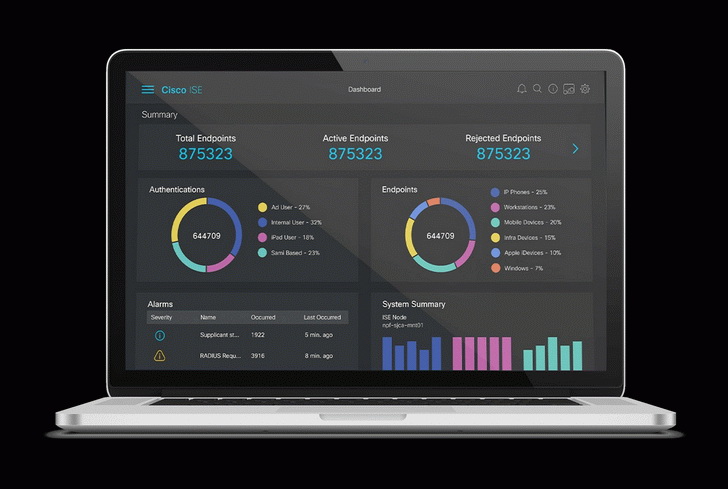
Latency tests reveal that Catalyst switches offer lower delays under heavy load, thanks to optimized data paths and buffer management. This makes a huge difference in environments like financial services or media production, where every millisecond counts.
Moreover, Cisco’s stacking and clustering technologies allow for seamless scalability without sacrificing speed, something that’s not always true with competing products.
Feature Comparison
When choosing a switch, it’s not just about speed—it’s about features. And this is where Cisco Catalyst stands head and shoulders above many competitors.
Let’s break down a few key differentiators:
| Feature | Cisco Catalyst | HP ProCurve | Juniper EX Series |
|---|---|---|---|
| DNA Center Integration | Yes | No | Limited |
| Encrypted Traffic Analytics | Yes | No | No |
| TrustSec (Network Segmentation) | Yes | No | Partial |
| Modular Design | Yes | Partial | Partial |
| StackWise Technology | Yes | Limited | Yes (but less flexible) |
| Software-Defined Access | Yes | No | Limited |
Cisco provides a complete ecosystem, while many competitors focus only on isolated hardware features. With Cisco, you get innovation, integration, and support in one package.
Deployment and Configuration Ease
Plug-and-Play Capabilities
One of the standout benefits of Cisco Catalyst switches is how easy they are to deploy. Even in large, multi-site environments, setup is streamlined thanks to Cisco’s intuitive configuration tools and automation features. Whether you’re a seasoned network engineer or a small IT team managing a large infrastructure, the plug-and-play experience makes a big difference.
Cisco’s Network Plug and Play (PnP) feature allows devices to be deployed with minimal manual configuration. You simply unbox the switch, connect it to the network, and it automatically downloads its pre-defined configuration from the Cisco DNA Center or PnP server. This is particularly useful for organizations deploying hardware across many locations, like retail chains or branch offices.
Beyond that, each switch comes with a GUI-based setup wizard that allows you to perform initial configurations without even touching a command line. VLANs, PoE settings, access control lists, and port roles can be defined with just a few clicks.
For more advanced users, Cisco offers CLI and API-based setup methods, giving power users full control. Whether you’re a novice or a pro, Catalyst switches adapt to your level of expertise and deployment needs.
Remote Management Features
Remote management is no longer a luxury—it’s a necessity, especially in today’s hybrid and remote-first work environments. Cisco Catalyst switches are built to support remote monitoring, management, and troubleshooting, offering IT teams complete control no matter where they are.
Thanks to Cisco DNA Center, you can manage your entire network from a single dashboard. You can monitor traffic, detect faults, apply patches, and even configure switches in different time zones—all without leaving your office. Role-based access control ensures that only authorized personnel can make changes, improving security and accountability.
In addition, Catalyst switches support Secure Shell (SSH), SNMP, and HTTPS protocols, allowing you to integrate with third-party network management systems. You can also set up alerts for key events, such as link failures, unauthorized access, or high CPU usage, ensuring proactive management.
This level of flexibility allows businesses to maintain optimal network performance and security even with a lean IT team or during travel restrictions, making it a critical feature for modern network operations.
Future-Proofing Your Network
Support for Wi-Fi 6 and IoT
The future of networking is wireless and interconnected—and Cisco Catalyst switches are ready for it. As more devices connect to your network, from smartphones and tablets to IoT sensors and smart building systems, your infrastructure needs to support both high bandwidth and ultra-low latency. Catalyst switches deliver just that.
They’re fully optimized to support Wi-Fi 6, the latest wireless standard that offers faster speeds, increased capacity, and improved efficiency. When paired with Cisco’s Wi-Fi 6 access points, Catalyst switches ensure seamless data flow from wireless endpoints to the wired backbone.

Moreover, Catalyst switches are IoT-ready. With features like automated device classification and segmentation, they can securely onboard a wide range of IoT devices without compromising the rest of the network. This is especially valuable in smart buildings, healthcare environments, and manufacturing facilities.
They also offer extended PoE (Power over Ethernet), which supports more power-hungry devices like high-end security cameras, smart lighting systems, and even IoT gateways. This not only simplifies installation but also reduces cabling and power infrastructure costs.
By investing in Catalyst switches today, you’re ensuring that your network can handle the technologies of tomorrow without costly upgrades or replacements.
Scalability for Growing Business Needs
Business growth is exciting—but it also puts pressure on your network. Whether you’re adding new users, deploying new services, or expanding to new locations, Cisco Catalyst switches scale with you.
From the entry-level 1000 series to the high-end 9000 series, every switch in the Catalyst lineup is built with scalability in mind. Stackable designs, modular ports, and flexible uplink options allow you to expand capacity without ripping out existing infrastructure.
Advanced routing capabilities let you scale beyond local segments, connecting new departments, data centers, or remote branches under a unified network architecture. You can even segment your growing user base using VLANs and security groups, maintaining order as the network expands.
Cisco’s licensing model also supports scaling. With DNA licenses, you can unlock more advanced features as your needs grow—meaning you’re not paying for capabilities you don’t use, but they’re available when you need them.
All of this means that Catalyst switches aren’t just for today—they’re built to grow alongside your organization for years to come.
Customer Testimonials and Case Studies
Real-World Success Stories
It’s one thing to talk about features—it’s another to see them in action. Cisco Catalyst switches are trusted by organizations of all sizes and industries around the world. Let’s take a look at some real-life examples.
1. Retail Chain Transformation
A global retail brand with over 500 stores used Cisco Catalyst 9300 switches to upgrade their network. With DNA Center, they rolled out consistent security policies and automated device provisioning across all branches. The result? 50% faster deployment times and a 40% reduction in network-related downtime.
2. University Campus Modernization
A major university deployed Catalyst 9400 core switches to power their smart campus initiative. By integrating DNA Center and TrustSec, they achieved secure segmentation of student, staff, and guest traffic. Performance improved significantly, and help desk tickets dropped by 35%.
3. Hospital Network Overhaul
A healthcare provider upgraded to Catalyst 9200 switches to support its EHR systems and IP-based medical devices. With advanced PoE and real-time analytics, the hospital improved patient care delivery and met HIPAA compliance standards with ease.
4. Government Smart City Initiative
A city government deployed Catalyst 9500 switches across traffic control systems, security cameras, and public Wi-Fi zones. The unified, intelligent network helped reduce traffic congestion and improved public safety through real-time monitoring and incident response.
These examples prove that Cisco Catalyst switches aren’t just high-tech—they solve real-world problems with tangible results.
Conclusion
Cisco Catalyst switches are much more than just networking hardware—they’re the heart and soul of a secure, scalable, and intelligent IT infrastructure. Whether you’re running a small office or a global enterprise, these switches offer unmatched reliability, performance, and flexibility.
With industry-leading security, centralized management through Cisco DNA Center, and support for emerging technologies like Wi-Fi 6 and IoT, Catalyst switches prepare your business for the demands of today and the innovations of tomorrow. Add to that their energy efficiency, plug-and-play deployment, and proven track record across industries, and it’s clear why Cisco remains the gold standard in switching technology.
Investing in Cisco Catalyst switches means building a future-proof network that grows with your business, adapts to your needs, and delivers a return on investment you can count on.
FAQs
What is the difference between Layer 2 and Layer 3 switches?
Layer 2 switches operate at the data link layer and are primarily used for forwarding data within the same network segment using MAC addresses. Layer 3 switches, on the other hand, can route traffic between different networks using IP addresses. Cisco Catalyst switches offer models supporting both layers, giving users flexibility in deployment.
How secure are Cisco Catalyst Switches?
Very secure. Catalyst switches offer features like TrustSec, 802.1X, MACsec encryption, and integration with Cisco ISE for advanced access control. Models like the Catalyst 9000 series also support Encrypted Traffic Analytics (ETA), allowing for malware detection in encrypted data flows.
Can I use Catalyst switches in a small business?
Absolutely. The Catalyst 1000 series is designed specifically for small businesses, offering essential features like VLANs, PoE, and simple management interfaces in a compact, affordable package.
Are Catalyst switches compatible with third-party devices?
Yes. Cisco Catalyst switches support industry-standard protocols and can integrate with non-Cisco routers, firewalls, and wireless access points, ensuring seamless operation in multi-vendor environments.
How often do Catalyst switches receive firmware updates?
Cisco regularly provides firmware and security updates to ensure optimal performance and protection against vulnerabilities. With Cisco Smart Licensing and DNA Center, updates can be automated and pushed to devices remotely.