
In today’s tech-driven landscape, advancing your career often hinges on the right credentials, and Cisco certifications stand out as a gateway to success. Whether you’re a beginner or a seasoned professional, these qualifications can open doors to exciting opportunities in networking and IT. This article will guide you through the options, helping you find the perfect fit for your goals and skill level.
Why Choose a Cisco Certification?
Cisco certifications are globally recognized, offering a stamp of approval that employers trust. They demonstrate your expertise in designing, implementing, and managing network solutions. This can set you apart in a competitive job market.
Beyond job prospects, these credentials provide hands-on skills that are immediately applicable. You’ll gain confidence in tackling real-world challenges, making you a valuable asset to any team.
Exploring the Certification Levels
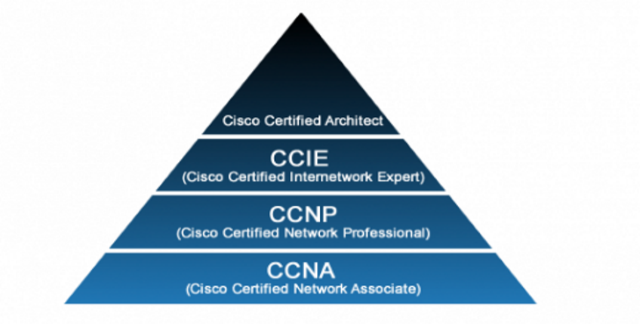
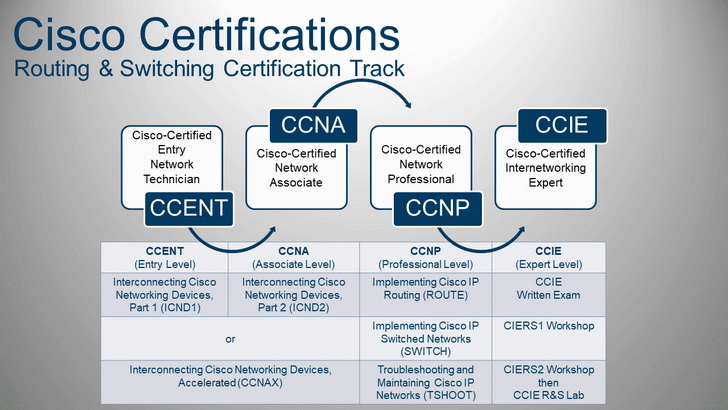
Cisco offers a structured path with certifications divided into several levels, each catering to different experience stages. The journey starts with foundational knowledge and progresses to expert-level mastery. Understanding these tiers is the first step toward choosing the right one.
Each level builds on the previous one, ensuring a logical progression. This makes it easier to plan your learning and career growth over time.
Entry-Level: Building the Basics
For those new to networking, the entry-level options lay a solid foundation. They cover essentials like network fundamentals, IP connectivity, and basic security. This is an excellent starting point if you’re exploring a career in IT.
These certifications are designed to be accessible, requiring minimal prior experience. They prepare you for more advanced studies while giving you practical skills to start working.
Associate Level: Taking the Next Step
The associate level dives deeper into specific areas like routing, switching, and wireless technologies. It’s ideal for individuals with some experience who want to specialize. This stage often serves as a springboard for more advanced roles.
Earning an associate certification shows employers you can handle complex tasks. It also opens doors to positions like network administrator or support engineer.
Professional Level: Mastering Your Craft
At the professional level, you’ll tackle advanced topics such as network design and troubleshooting. This is suited for those with a few years of experience who aim to lead projects. It’s a significant milestone that reflects your growing expertise.
Professionals at this stage often manage teams or oversee critical network infrastructure. The certification equips you with the skills to solve intricate problems effectively.
Expert Level: The Pinnacle of Achievement
The expert level represents the highest standard in Cisco’s offerings. It requires deep knowledge and extensive hands-on practice, targeting senior engineers and architects. Achieving this status places you among the elite in the industry.
This certification is challenging but rewarding, often leading to leadership roles. It’s perfect for those who aspire to shape the future of networking technology.
Popular Cisco Certifications in Detail
Within these levels, Cisco offers specific certifications tailored to different interests. Each one focuses on a unique aspect of networking, from security to collaboration. Let’s explore the most sought-after options to see what aligns with your ambitions.
Choosing the right certification depends on your career goals and current skills. The following breakdown will help you make an informed decision.
CCNA: The Gateway to Networking
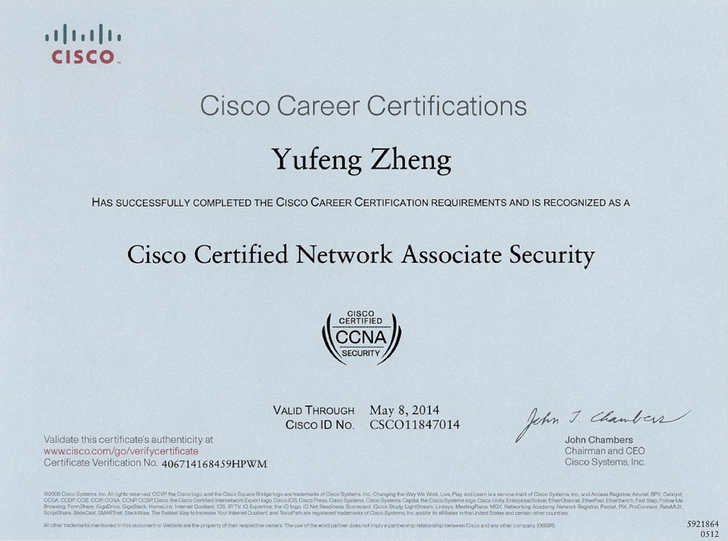
The Cisco Certified Network Associate (CCNA) is a popular choice for beginners. It covers foundational skills like IP addressing, network security, and automation. This certification is a great way to enter the field with confidence.
It’s also a prerequisite for higher-level certifications. Many professionals start here and build their expertise over time, making it a versatile starting point.
CCNP: Advancing Your Skills
The Cisco Certified Network Professional (CCNP) targets those with some experience. It includes tracks like Enterprise, Data Center, and Security, allowing specialization. This certification proves you can design and manage complex networks.
It’s ideal for those aiming for roles like network engineer or system architect. The flexibility of tracks lets you focus on your area of interest.
CCIE: The Ultimate Challenge
The Cisco Certified Internetwork Expert (CCIE) is the gold standard. It requires passing a rigorous written exam and a hands-on lab, testing your ability to solve real-world problems. This certification is reserved for the most dedicated professionals.
Earning a CCIE can lead to top-tier positions like chief architect or consultant. It’s a long-term goal that showcases unparalleled expertise.
Factors to Consider When Choosing
Selecting the right certification depends on your current role and future aspirations. Consider your experience level, the industry you’re targeting, and the time you can commit. This will ensure you pick a path that suits your lifestyle and career plans.
Talk to mentors or peers in the field for advice. Their insights can help you avoid common pitfalls and align your choice with market demand.
Assessing Your Experience
If you’re new to IT, start with a lower-level certification. Those with a few years of hands-on work might jump to associate or professional levels. Matching the certification to your background prevents frustration and wasted effort.

Self-assess your skills using Cisco’s online resources. This can highlight gaps you need to fill before pursuing a specific credential.
Aligning with Career Goals
Think about where you want to be in five years. If you’re interested in security, a track like CCNP Security might be ideal. For those eyeing leadership, the expert level could be the ultimate target.
Research job listings to see which credentials employers prioritize. This can guide you toward the most relevant option for your industry.
Preparation and Exam Tips
Preparing for a Cisco certification requires a strategic approach. Invest in study materials, practice labs, and possibly training courses. Success depends on both theoretical knowledge and practical skills.
Schedule your study time wisely. Consistent effort over months often yields better results than last-minute cramming.
Study Resources
Cisco’s official website offers learning paths and practice exams. Books from authors like Wendell Odom and online platforms like CBT Nuggets can supplement your studies. These resources cater to different learning styles.
Join study groups or forums to exchange tips. Collaborating with others can make the process more engaging and less isolating.
Exam Day Strategies
On exam day, read questions carefully to avoid mistakes. Manage your time to ensure you complete all sections, especially the hands-on labs for higher levels. A calm and focused mindset is key to performing well.
Take practice tests to simulate the experience. This builds confidence and helps you identify areas needing improvement.
The Impact on Your Career
Earning a Cisco certification can boost your resume and salary potential. Employers value the practical skills and dedication these credentials represent. It’s a clear signal that you’re committed to professional growth.
Networking opportunities also expand with certification. You’ll connect with other professionals, opening doors to mentorship and job offers.
Salary and Job Opportunities
Certified professionals often see higher earning potential. Entry-level roles might start at a modest salary, while experts can command six-figure incomes. The return on investment grows with each level you achieve.
Job titles range from network technician to chief technology officer. Your certification level influences the roles you can pursue.
Continuous Learning
Certifications require recertification every few years. This keeps your skills current in a rapidly evolving field. It’s an opportunity to explore new technologies and stay competitive.
Engage in ongoing education through Cisco’s resources. This habit ensures you remain a leader in your career journey.
Looking Ahead
Choosing the right Cisco certification is a personal decision that shapes your future. As technology evolves, so will the opportunities these credentials unlock. Start your journey today and watch how it transforms your professional life.
The networking world is full of possibilities, and Cisco certifications are your key to unlocking them. With the right path, you’ll build a career that’s both fulfilling and future-proof, ready to meet the demands of tomorrow’s digital landscape.