

As cyber threats become more sophisticated and persistent, the demand for robust network defense mechanisms has never been greater. Enterprises today operate in a landscape where data breaches, ransomware, and targeted attacks can cause severe damage — both financially and reputationally. Cisco ASA, a cornerstone of enterprise-grade firewall technology, plays a pivotal role in fortifying digital perimeters and safeguarding critical infrastructure.
From deep packet inspection to secure VPN tunnels, this versatile platform serves as more than just a firewall. It is a complete network security solution designed to detect, prevent, and neutralize threats before they penetrate sensitive assets. In this article, we dive deep into the strategic importance of Cisco ASA in modern cybersecurity architectures.
Understanding Cisco ASA: A Multifunctional Security Appliance
Cisco Adaptive Security Appliance, commonly known as Cisco ASA, is more than a traditional firewall. It combines multiple security functions into a single appliance, including intrusion prevention, VPN support, and advanced threat detection. This integration provides a layered approach to defending the network from both external and internal threats.

One of the major strengths of Cisco ASA lies in its adaptability. Whether deployed in a small business environment or across a sprawling enterprise infrastructure, it scales easily to meet evolving security demands. Additionally, it integrates seamlessly with other Cisco products, enhancing the broader network ecosystem.
Core Capabilities of Cisco ASA
| Feature | Description |
|---|---|
| Stateful Firewall | Monitors the state of active connections and determines which traffic is allowed through. |
| VPN Support | Offers both site-to-site and remote-access VPN capabilities, ensuring secure communication. |
| Intrusion Prevention | Inspects traffic for malicious patterns and known exploits. |
| Application Control | Filters and controls access based on application type, usage, and behavior. |
Building a Secure Perimeter with Firewall Rules
At its core, Cisco ASA operates as a highly configurable firewall. Its rule-based access control system allows administrators to define precise policies for inbound and outbound traffic. These rules can be based on IP addresses, protocols, ports, or even application-level attributes.

This granular control is vital in preventing unauthorized access while maintaining seamless communication for legitimate traffic. It enables organizations to enforce compliance, limit exposure, and isolate sensitive segments within the network. With proper configuration, Cisco ASA becomes a powerful gatekeeper that adapts to changing threat landscapes.
Threat Prevention: Staying Ahead of Malicious Actors
Beyond traditional access control, Cisco ASA is equipped with capabilities to proactively detect and block threats. Integrated features like Advanced Malware Protection (AMP) and threat intelligence feeds from Cisco Talos ensure real-time responsiveness to emerging attacks.
Using dynamic packet inspection and traffic behavior analysis, the appliance can identify zero-day threats, botnets, and brute-force attacks. This proactive stance not only reduces risk but also minimizes the time to incident resolution — a critical factor in today’s security operations.
Common Threats Cisco ASA Helps Prevent
- Distributed Denial-of-Service (DDoS) attacks
- Phishing and social engineering exploits
- Malware and ransomware infiltration
- Port scanning and reconnaissance activity
- Unauthorized remote access attempts
Securing Remote Connectivity with VPN Configuration
In the modern workforce, remote access is no longer a luxury — it is a necessity. Cisco ASA excels in secure VPN configuration, offering both IPsec and SSL VPN capabilities. These technologies ensure that employees, contractors, and partners can connect to the enterprise network securely, regardless of their physical location.

Site-to-site VPNs link multiple branch offices with encrypted tunnels, maintaining confidentiality and integrity of communications. Meanwhile, remote-access VPNs give users secure entry into internal systems with multi-factor authentication and endpoint security checks. This functionality supports business continuity while maintaining a strong security posture.
Centralized Management and Monitoring for Efficiency
Cisco ASA can be managed through multiple interfaces, including the Cisco ASDM GUI and CLI, offering both user-friendliness and granular control. For larger deployments, integration with Cisco Security Manager or third-party SIEM systems ensures centralized visibility and policy enforcement across the network.
Real-time monitoring, log analysis, and automated alerting enable security teams to act swiftly in the face of anomalies. Dashboards can display connection statistics, active threats, and VPN usage, allowing for proactive adjustments and capacity planning. This level of control is essential for maintaining network resilience under pressure.
Integrating Cisco ASA with Broader Security Architectures
To build a holistic defense strategy, Cisco ASA is often used in tandem with other security solutions such as Cisco Firepower, identity services, and endpoint protection tools. Its modular nature allows it to serve as a building block within layered security models, enhancing both perimeter and internal defense mechanisms.
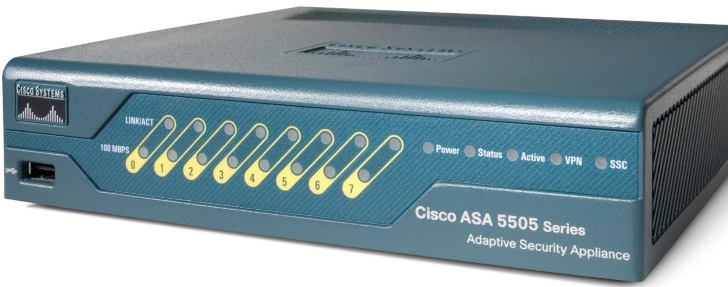
By integrating with Cisco Identity Services Engine (ISE), for instance, organizations can enforce dynamic access control policies based on user identity and device compliance. Combined with network segmentation, this limits lateral movement within the network and reduces the potential blast radius of an attack.
Why Cisco ASA Remains a Trusted Choice
While the cybersecurity landscape continues to evolve, the Cisco ASA firewall maintains its relevance through continuous updates, proven performance, and scalability. It strikes a balance between simplicity and sophistication, making it suitable for organizations at different stages of digital transformation.
Its long-standing reputation, coupled with the backing of Cisco’s research and support infrastructure, gives IT leaders the confidence to build secure, resilient networks. In a world where every endpoint could be a threat vector, having a flexible and intelligent firewall at the network’s edge is not just recommended — it’s essential.